
Top 5 Warning Signs Your Well Pump Is Failing: Essential Well Pump Repair Services in Palm Beach County
Well pumps are crucial for providing a reliable water supply to homes and businesses, especially in areas reliant on groundwater. However, like any mechanical system, well pumps can experience failures that may lead to significant inconveniences. Understanding the warning signs of a failing well pump can help homeowners take proactive measures to avoid costly repairs and ensure a continuous water supply. This article will explore the top five warning signs that indicate your well pump may be failing, including low water pressure, unusual noises, frequent cycling, water quality issues, and startup failures. Additionally, we will discuss how to respond to these warning signs and when to seek professional help from well pump repair services in Palm Beach County.
What Are the Most Common Signs of Well Pump Failure?
Identifying the signs of well pump failure is essential for maintaining a reliable water supply. Common indicators include low water pressure, unusual noises, and frequent cycling. Recognizing these symptoms early can prevent further damage and costly repairs. Homeowners should be vigilant and aware of these warning signs to ensure their well pump operates efficiently.
How Does Low Water Pressure Indicate Well Pump Issues?
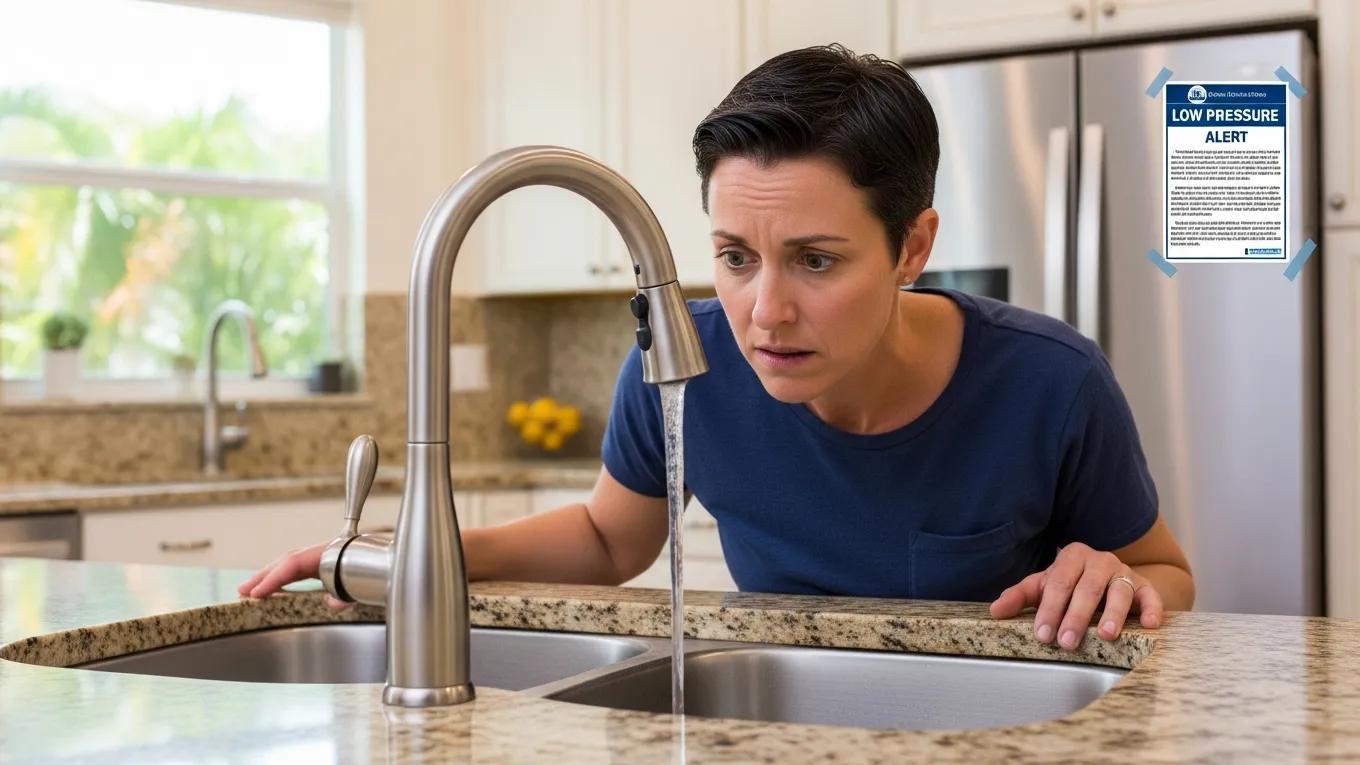
Low water pressure is often one of the first signs of a failing well pump. This issue can manifest as weak water flow from faucets or showers, making daily tasks inconvenient. Several factors can contribute to low water pressure, including a malfunctioning pressure switch, clogged pipes, or a failing pump. If left unaddressed, low water pressure can lead to more severe pump issues, ultimately affecting the overall water supply.
What Unusual Noises Signal a Failing Well Pump?
Unusual noises from the well pump can indicate underlying problems that require immediate attention. Common sounds include grinding, rattling, or humming, which may suggest mechanical issues within the pump or its components. These noises can be caused by worn bearings, loose parts, or even cavitation, where air bubbles form in the pump. Homeowners should not ignore these sounds, as they often signal that the pump is struggling to operate correctly.
Further research emphasizes that cavitation is a significant source of instability in centrifugal pumps, leading to various undesirable effects including noise and vibration.
Cavitation Effects & Noise Detection in Centrifugal Pumps
One of the sources of instability in a centrifugal pump is cavitation within the pump. Cavitation may cause three different and undesirable effects: (1) a drop in head-capacity and efficiency curves, (2) damage to the impeller by pitting and erosion, and (3) structure vibration and resulting noise. Therefore, the cavitation process must be prevented by all means. To prevent the onset of cavitation we have to detect the beginning of the cavitation process in the pump. To detect the beginning of the cavitation process, the emitted noise can be used, among other possibilities.
Noise as an indicator of cavitation in a centrifugal pump, 2003
To effectively diagnose and mitigate these issues, advanced techniques like vibration and noise analysis are crucial for detecting incipient cavitation.
Well Pump Cavitation Diagnosis: Vibration & Noise Analysis
Cavitation is an essential factor in the deterioration of the hydraulic performance of centrifugal pumps. The study of cavitation fault diagnosis can help avoid or reduce the damage it causes. The vibration and noise analysis method can predict the incipient cavitation more accurately. In order to improve the accuracy of cavitation fault diagnosis, this paper studies the distribution of vibration and noise measuring points for centrifugal pump cavitation diagnosis.
Effect of vibration and noise measuring points distribution on the sensitivity of pump cavitation diagnosis, R Zhou, 2022
How Can Frequent Pump Cycling Affect Well Pump Performance?
Frequent cycling of a well pump can significantly impact its performance and lifespan. This phenomenon occurs when the pump turns on and off repeatedly in a short period, which can lead to overheating and premature wear. Understanding the difference between normal and abnormal cycling is crucial for maintaining pump health. Normal cycling typically occurs when water demand fluctuates, while abnormal cycling may indicate issues with the pressure switch or a leak in the system.
What Is Normal vs. Abnormal Pump Cycling?
Normal pump cycling happens when the pump activates and deactivates in response to water usage, such as when a faucet is turned on or off. However, if the pump cycles on and off too frequently, it may indicate a problem. Abnormal cycling can be caused by a malfunctioning pressure switch, which fails to maintain the correct pressure levels, or a leak in the plumbing system that causes the pump to work harder than necessary.
How Does Pump Cycling Relate to Pressure Switch and Pump Motor Problems?
The relationship between pump cycling and pressure switch or pump motor problems is critical to understanding well pump performance. A faulty pressure switch can cause the pump to cycle excessively, leading to increased wear on the motor and other components. Additionally, if the pump motor is not functioning correctly, it may struggle to maintain the necessary pressure, resulting in further cycling issues. Addressing these problems promptly can help extend the life of the well pump.
What Water Quality Issues Suggest Well Pump Malfunction?
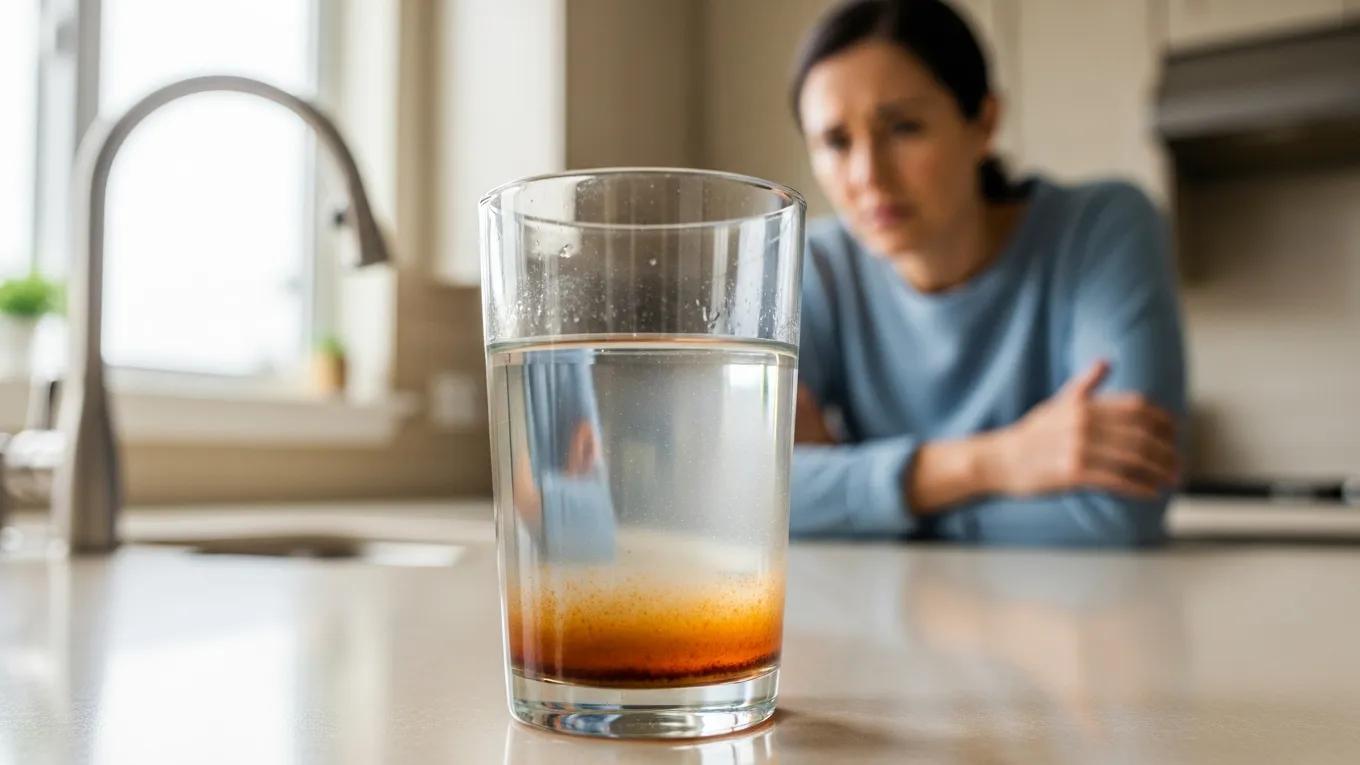
Water quality issues can also indicate that a well pump is malfunctioning. Homeowners should be aware of changes in water clarity, taste, or odor, as these can signal contamination or other problems. Common contaminants include sediment, bacteria, and chemicals, which can affect both the safety and taste of the water. Regular water quality testing is essential for identifying potential issues early.
How Do Contaminants and Sediment Affect Well Pump Operation?
Contaminants and sediment can significantly impact well pump operation. Sediment buildup can clog filters and pipes, reducing water flow and pressure. Additionally, harmful bacteria or chemicals can compromise water quality, posing health risks to users. Homeowners should monitor their water quality and address any issues promptly to ensure the well pump operates efficiently.
When Should Water Quality Problems Prompt Well Pump Inspection?
Water quality problems should prompt immediate inspection of the well pump and its components. If homeowners notice changes in taste, odor, or clarity, it is essential to conduct a thorough assessment. Regular inspections can help identify potential issues before they escalate, ensuring the safety and reliability of the water supply.
Why Does a Well Pump Fail to Start and What Are the Warning Signs?
A well pump may fail to start for various reasons, including electrical or mechanical failures. Understanding the common causes of startup issues can help homeowners identify when to seek professional assistance. Warning signs include a lack of water flow, unusual noises during startup, or the pump running continuously without producing water.
What Electrical or Mechanical Failures Cause Pump Startup Issues?
Electrical failures, such as a blown fuse or tripped circuit breaker, can prevent a well pump from starting. Mechanical failures, including a malfunctioning motor or damaged impeller, can also hinder operation. Homeowners should check for these issues before calling a professional, as some problems may be easily resolved.
How to Identify When Emergency Well Pump Repair Is Needed?
Identifying when emergency well pump repair is needed is crucial for preventing further damage. Signs that warrant immediate attention include complete loss of water supply, unusual noises, or visible leaks around the pump. Homeowners should not hesitate to contact a professional if they suspect a serious issue, as timely intervention can save both time and money.
How to Respond to Well Pump Warning Signs: Maintenance and Emergency Repair Options
Responding to well pump warning signs promptly can help prevent costly repairs and ensure a reliable water supply. Regular maintenance and timely repairs are essential for extending the lifespan of the pump. Homeowners should be proactive in addressing any issues and consider professional assistance when necessary.
What Preventive Maintenance Tips Extend Well Pump Lifespan?
Preventive maintenance is key to extending the lifespan of a well pump. Homeowners should consider the following tips:
- Regular Inspections: Schedule annual inspections to identify potential issues early.
- Monitor Water Quality: Test water quality regularly to detect contaminants.
- Check Pressure Settings: Ensure the pressure switch is functioning correctly to prevent cycling issues.
When to Contact Palm Beach County Well Pump Repair Professionals?
Homeowners should contact well pump repair professionals in Palm Beach County when they notice persistent warning signs or if they are unsure about the condition of their pump. Professional technicians can provide thorough inspections, identify issues, and recommend appropriate repairs or replacements. All Pump Repair specializes in well pump repair and maintenance, ensuring that residents have access to reliable water supply solutions.
For those interested in learning more about maintaining efficient water systems, maintenance tips for water systems can provide valuable guidance to extend the life of your equipment.
Additionally, understanding the effects of frequent pump cycling is crucial for diagnosing and preventing premature pump failures.